The Two Roads of Money
Updated: Aug 15
How Our Relationship with Money Reveals the Condition of Our Hearts and the Path We Are Following

Tito arrived in Gulu with little more than a bag, a borrowed mattress, and a determination to work hard. Over the years, he found a job with an NGO, bought a motorcycle, purchased a plot of land, and started a small business. People noticed his success. Relatives called when school fees were due, and friends spoke of how well he was doing.
Yet success brought new burdens. There were loans to repay, expectations to meet, and a lifestyle to maintain. Beneath it all was a quiet fear that everything he had built could disappear. One evening, after another long day of work, Tito asked himself a question he had never seriously considered: Is this really the life I wanted money to give me?
Most people never stop to ask that question. We spend years pursuing financial security and material comfort without considering what money can, and cannot, do for us. Yet the Bible teaches that our relationship with money reveals something deeper about our hearts. When it comes to money, every person is traveling on one of two roads: the wisdom of the world or the wisdom of God.
Road One: “My Money, My Way”
The world’s road begins with a simple assumption: what I have belongs to me. “I worked for this money. I earned it. I should decide how to use it.” Money becomes a means to pursue comfort, status, possessions, and independence.
In Uganda and elsewhere, this mindset often shows itself in familiar ways. People borrow to maintain a lifestyle, spend to impress others, chase quick wealth, compromise integrity for profit, and trust money to provide security. Without realizing it, money slowly moves from being a servant to becoming a master. Jesus warned about this danger: “Take care, and be on your guard against all covetousness, for one's life does not consist in the abundance of possessions” (Luke 12:15).
To make His point, Jesus told the story of a rich farmer whose land produced an abundant harvest. Finding his barns too small, the man decided to build larger ones and said to himself, “Soul, you have ample goods laid up for many years; relax, eat, drink, be merry” (Luke 12:19). But God interrupted his plans with a sobering verdict: “Fool! This night your soul is required of you” (Luke 12:20).
The farmer’s problem was not his wealth but his heart. He lived as though his possessions belonged to him and existed for him. He stored up treasure on earth but neglected what mattered most. Jesus concluded, “So is the one who lays up treasure for himself and is not rich toward God” (Luke 12:21).
The world promises freedom through money, but it often delivers anxiety, greed, and spiritual emptiness. Money can buy comfort, but it cannot provide lasting peace.
Road Two: “God Owns It All”
The Bible begins in a very different place: “The earth is the LORD's and the fullness thereof” (Psa. 24:1). Everything belongs to God—our jobs, income, possessions, abilities, and opportunities. We are not owners; we are stewards.
Paul writes, “Moreover, it is required of stewards that they be found faithful” (1 Cor. 4:2). The question, then, is not, “How can I get more?” but, “How can I faithfully use what God has entrusted to me?”
On God’s road, money becomes a tool for faithful living rather than personal gain. Scripture commends diligence, contentment, generosity, and trust in God. Proverbs teaches that “whoever gathers little by little will increase it” (Prov. 13:11), while Hebrews calls believers to keep their lives free from the love of money and to be content with what they have (Heb. 13:5).
The Bible also warns about debt: “The borrower is the slave of the lender” (Prov. 22:7). Debt is not always avoidable, but it can limit our freedom and burden our lives. God’s wisdom calls us to live carefully and responsibly.
Above all, Jesus teaches His followers to “seek first the kingdom of God and his righteousness” (Matt. 6:33). The goal is not financial independence but faithful dependence on God.
The Real Issue
At its deepest level, money is not a financial issue but a worship issue. Jesus said, “Where your treasure is, there your heart will be also” (Matt. 6:21). Our spending, saving, and giving reveal what we value most.
Many people trust money because it appears to offer security, comfort, and control. Yet wealth is a fragile foundation. Jobs disappear, businesses fail, and possessions fade. Jesus therefore gives a stark warning: “You cannot serve God and money” (Matt. 6:24).
Money is a useful servant but a terrible master. It promises more than it can deliver, and no amount of wealth can satisfy the deepest needs of the human heart.
The Good News
The Bible teaches that our deepest problem is not financial but spiritual. By nature, we live as though we own our lives and can determine our own path. Scripture calls this sin.
Yet God did not leave us in that condition. He sent His Son, Jesus Christ, to save sinners. Jesus lived the life we failed to live and died on the cross for our sin. He rose from the dead and offers forgiveness and new life to all who trust in Him.
When a person turns to Christ in repentance and faith, God begins to transform the heart. Priorities change, desires change, and even our relationship with money changes. Wealth is no longer an ultimate source of security or identity; it becomes a gift to steward for God’s glory and the good of others.
The gospel does not promise riches, but it offers something far better: reconciliation with God and freedom from slavery to money.
Learning to Walk God’s Road
Following God’s road is a lifelong journey of discipleship. It begins with recognizing that everything belongs to God and that we are accountable for how we use His gifts. That new perspective reshapes everyday choices.
Wise Planning
We learn to plan wisely, live within our means, and avoid unnecessary debt. We pursue honest work, even when dishonesty appears more profitable. As Proverbs reminds us, “Better is a little with righteousness than great revenues with injustice” (Prov. 16:8).
Embracing Contentment
We also learn contentment. In a culture driven by comparison and consumption, Christians are called to rest in God’s provision. Contentment means refusing to believe that more possessions will satisfy the soul.
The Joy of Generosity
Generosity becomes another mark of a transformed heart. Jesus taught that “it is more blessed to give than to receive” (Acts 20:35), and Paul reminds us that “God loves a cheerful giver” (2 Cor. 9:7). Giving to the local church, supporting gospel work, and caring for those in need remind us that we are stewards, not owners.
If you want to go deeper in understanding what it means to be rich toward God, consider reading The Rich Fool: Becoming Rich Toward God in a World of Fools.
Ultimately, walking God’s road means learning to trust Him day by day. Our confidence rests not in our plans or possessions but in the God who faithfully provides for His people.
Which Road Are You Traveling On?
One day, every person will stand before God. Scripture says, “Each of us will give an account of himself to God” (Rom. 14:12). That account includes how we used the resources and opportunities entrusted to us. The question is not whether money matters. It does. The question is what our money reveals about the direction of our lives. Are we laying up treasure only for ourselves, or are we becoming rich toward God?
There are only two roads. One leads to the endless pursuit of wealth that cannot satisfy. The other leads to faithful stewardship, contentment, and life with God. Jesus invites us to walk the better road.
As you reflect on your own journey, ask yourself: Who truly owns your money? What does your financial life reveal about your heart? And which road are you traveling on?
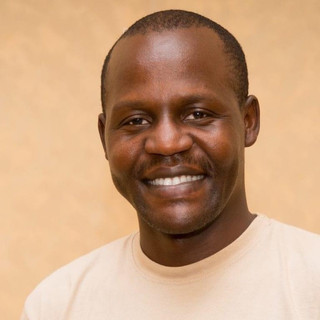
Jimmy Okello is the lead pastor of University Community Church. He's a church planter with Acts 29. He's also a student of Bachelors of Theology of Uganda Baptist Seminary.



Comments